

 Make us preferred on Google
Understanding AdSense Attributes: A Complete Guide for Website Owners

Google AdSense remains one of the most popular ways for website owners to monetize their content. Whether you run a personal blog, news website, tutorial platform, or niche website, understanding AdSense attributes is essential for maximizing earnings while staying compliant with Google's policies.
Many beginners simply copy and paste the AdSense code without understanding what the different attributes actually do. In this guide, you'll learn what AdSense attributes are, why they matter, and how they affect your website's performance.
What Are AdSense Attributes?
AdSense attributes are HTML data attributes included inside Google's ad code. They tell Google's advertising system how an ad unit should behave, where it belongs, and how it should display on your website.
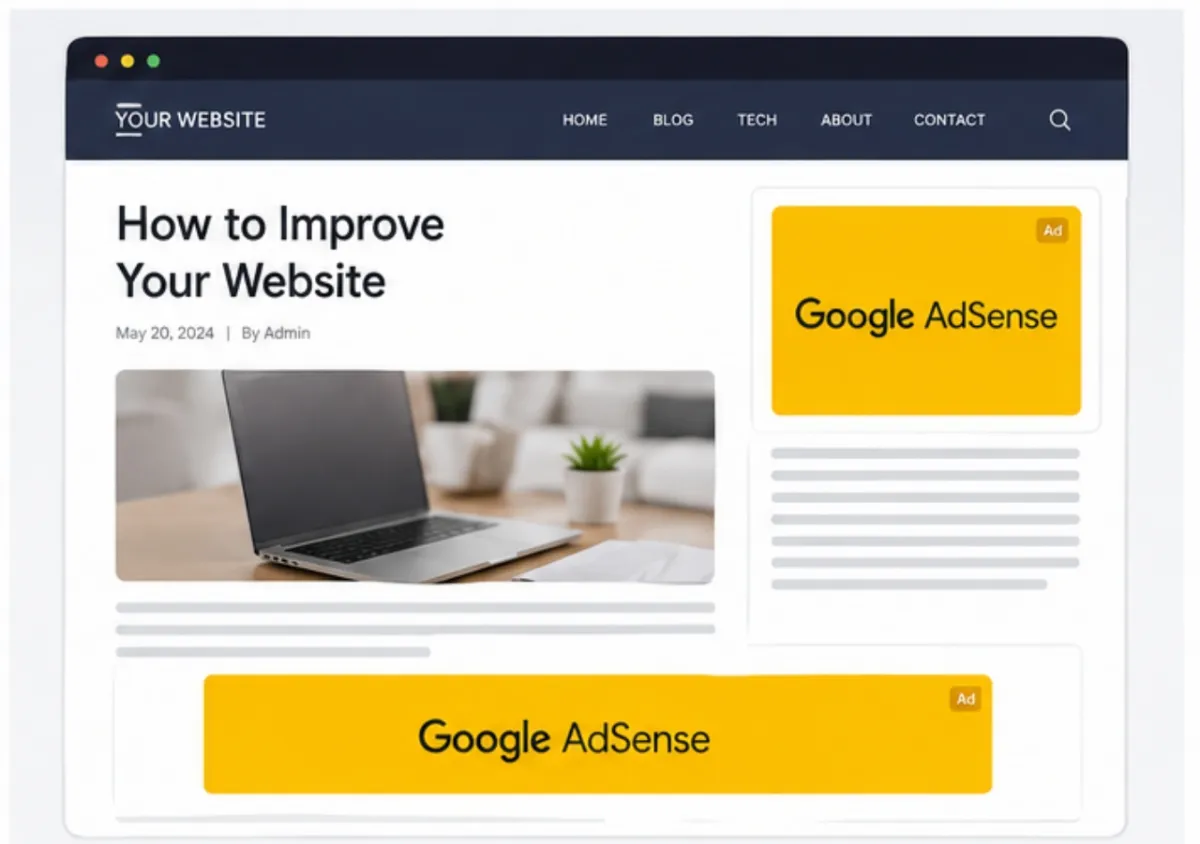
Some of the most common attributes include data-ad-client, data-ad-slot, data-ad-format, and data-full-width-responsive. These values help Google identify your account and serve the most relevant ads.
Why AdSense Attributes Matter
- Improve ad rendering.
- Support responsive advertisements.
- Help maintain Google policy compliance.
- Increase website performance.
- Enhance user experience.
- Potentially improve ad revenue.
Common AdSense Attributes Explained
data-ad-client
This identifies your publisher account. Every AdSense account has its own unique publisher ID beginning with ca-pub.
data-ad-slot
This identifies an individual advertisement unit created inside your AdSense dashboard.
data-ad-format
This controls the display format of advertisements, including Auto, Rectangle, Horizontal, Vertical, and Fluid ads.
data-full-width-responsive
Allows responsive ads to automatically adjust to different screen sizes.

Responsive Ads
More than half of internet users browse websites using smartphones. Responsive advertisements automatically resize themselves depending on the visitor's device.
This improves user experience while helping publishers earn more from mobile visitors.
Best Practices
- Never modify Google's generated ad code.
- Use responsive ad units.
- Place ads naturally within content.
- Avoid excessive advertisements.
- Keep your pages fast.
- Publish quality content regularly.
- Follow every Google AdSense policy.

Common Mistakes
- Editing the publisher ID.
- Using the wrong ad slot.
- Blocking important content with ads.
- Ignoring mobile optimization.
- Violating AdSense policies.
SEO and AdSense
Although AdSense attributes do not directly affect search rankings, they influence page speed, user engagement, and Core Web Vitals. A faster website generally performs better in search engines and provides a better visitor experience.
Monitoring Performance
Use the AdSense dashboard to monitor:
- Estimated earnings
- CTR
- RPM
- Page views
- Impressions
- Viewability

Tips to Increase AdSense Revenue
- Create high-quality original content.
- Improve page loading speed.
- Focus on SEO.
- Increase organic traffic.
- Use responsive ad units.
- Experiment with ad placement.
- Keep your website mobile-friendly.
Conclusion
Understanding AdSense attributes helps website owners display ads correctly, improve website performance, and maximize advertising revenue. Instead of editing Google's code manually, focus on creating valuable content, optimizing your website, and following AdSense policies. Over time, these best practices will help you build a sustainable source of income while providing a better experience for your visitors.